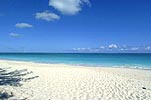
Location: About 40km off the coast of East Africa in the Indian Ocean, about 6 degrees south of the Equator lies two exotic islands Zanzibar and Pemba . Size: Zanzibar has a total of 1500 square kilometres, which includes many surrounding islands. It is 85km long and 30km wide. Topography: Zanzibar is generally flat with the highest point being about 120m above sea level. The Islands of Zanzibar are surrounded by coasts of rocky inlets or sandy beaches, with lagoons and mangrove swamps, and coral reefs beyond the shoreline. Climate: The climate is characterised by wet and dry seasons. The rains fall from mid-March to the end of May, and there is a short rainy season in November. The dry seasons are from December to February and June to October. Humidity is generally quite high, although this can be relieved by sea breezes. The average daytime temperatures are around 26 degrees form June to October, and around 28 degrees from December to February. Vegetation: The islands were originally forested, but with human habitation have resulted in widespread clearing, although a few isolated pockets of indigenous forests remain. The main crops of Zanzibar are coconuts and cloves. Bananas, citrus fruits and other spices are also grown commercially. Maize, cassava and other vegetables and cereals are grown for local consumption. Wildlife: There are no large wild animals in Zanzibar . Monkeys and small antelopes inhabit forested areas. Civets and various species of mongoose are found all over the islands. Bird life is varied and interesting with over 100 species recorded.
Honeymoons to Zanzibar
MADUKHA TOURS UK
Suite 12 Friary Chambers,
Whitefriargate,
Hull High Street,
East Yorkshire,
HU1 2HA
Tel: 0845 257 7005 | Fax: 0148 221 3881 | Enquiry Form



 Honeymoons or Couples